
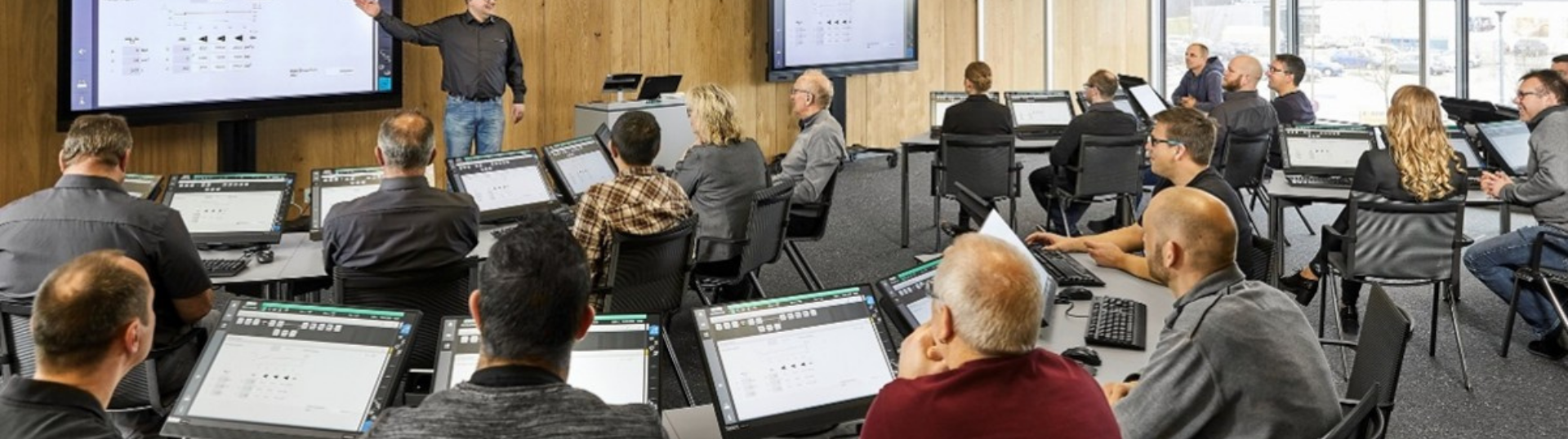
AI Won’t Replace Injection Molding Training — It Will Make It More Valuable
Artificial intelligence is rapidly finding its way onto the injection molding floor. Smarter machine controls, process monitoring, predictive analytics, and digital assistants are making it easier to access information, identify problems, and make better decisions.
Does that mean we will need less training? Probably the opposite.
From Searching for Answers to Asking for Them
Tools such as ARBURG’s askARBURG demonstrate how digital assistance can help operators troubleshoot problems by identifying potential causes and suggesting corrective actions. Instead of searching manuals, calling an experienced colleague, or relying on trial and error, operators can potentially get useful direction much faster.
That’s a significant advantage. But there is an important difference between receiving an answer and understanding the process.
AI Can Suggest the “What.” Training Explains the “Why.”
If a digital assistant recommends changing mold temperature, injection speed, holding pressure, or another parameter, a trained processor understands why the change might work — and what else it could affect.
Without that foundation, there is a risk that traditional trial-and-error troubleshooting simply becomes AI-assisted trial and error.
AI can help answer, “What should I look at?” Training helps the operator understand, “Why?”
Training Provides the Foundation
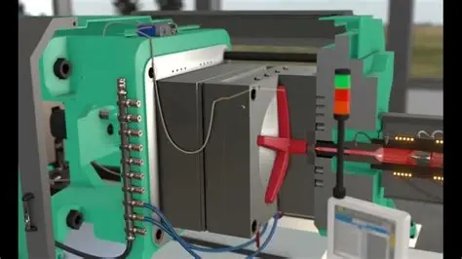
This is where structured education such as Kruse Training remains critical. Understanding the cause-and-effect relationships between the material, mold, machine, and process gives operators the foundation needed to evaluate recommendations and make informed decisions.
Rather than making training less important, AI could make good training even more valuable.
AI provides faster access to potential answers. Training provides the knowledge needed to ask the right questions and make the right decisions.
More Technology Requires More Understanding
Today’s molding cell may combine the injection molding machine, robot, material handling, temperature control, cavity-pressure monitoring, vision systems, conveyors, and downstream automation — all generating valuable data.
AI can help analyze that data, recognize patterns, and point operators toward potential solutions. But someone still needs to understand how those systems interact.
Perhaps we should therefore stop thinking about AI as an alternative to training and start viewing it as an extension of training. Every troubleshooting event could become an opportunity for a technician to learn while solving the immediate problem.
The Future Is AI + Skilled People
The manufacturers that gain the greatest advantage from AI won’t necessarily be those who use it to reduce training. They will be those who combine well-trained people with smarter machines, better data, and faster access to knowledge.
At Turner Group, we believe technology and training should work together. Whether you’re looking to strengthen your team’s injection molding knowledge through Kruse Training or explore today’s advanced molding and digital technologies, we’d welcome the opportunity to start the conversation.
Because investing in smarter technology works best when you also invest in the people using it.
The future isn’t AI replacing the injection molding expert. It’s AI helping more people become experts.
More Information on Injection Molding Training
Training for Injection Molding Professionals – Kruse Training