
COP: A High-Performance Polymer Worth Knowing
An Introduction to Cyclic Olefin Polymer
As plastic components become increasingly sophisticated, material selection plays an important role in product performance and manufacturability.
One material worth a closer look is Cyclic Olefin Polymer (COP), a high-performance thermoplastic offering a combination of optical clarity, dimensional stability, low moisture absorption, and chemical resistance.
While COP may be less familiar than conventional materials such a polycarbonate (PC), acrylic (PMMA), its unique properties make it an attractive option for demanding injection molding applications.
What Makes COP Different?
COP offers several characteristics that distinguish it from conventional thermoplastics:
- Optical clarity: Excellent transparency for optical and diagnostic components.
- Low moisture absorption: Helps maintain dimensional stability in precision applications.
- Chemical resistance: Good resistance to many chemicals, depending on the environment.
- High purity: Certain grades offer low extractables, an important consideration for sensitive applications.
- Dimensional stability: Supports the production of components requiring tight tolerances.
These properties vary by grade and should be evaluated against the requirements of each application.
Where Is COP Being Used?
Although COP is gaining attention in medical devices and diagnostics, its applications extend well beyond healthcare.
Its properties make it attractive for applications in optics, automotive, electronics, pharmaceutical packaging, and precision industrial components.
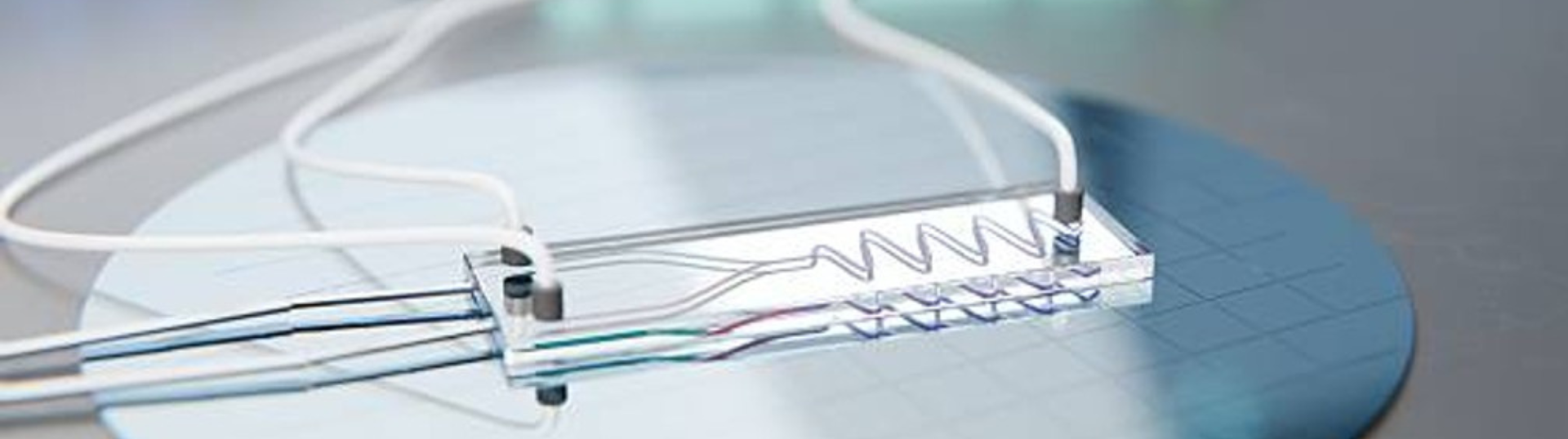
From miniature optical lenses and sensors to microfluidic devices and high-precision molded components, COP offers opportunities where conventional thermoplastics may struggle to meet demanding performance requirements.
More Than Just Material Selection
Selecting COP is only the beginning. Successful manufacturing depends on understanding how the material behaves during processing and how tooling, equipment, and process conditions influence the finished component.
This is the first in a Turner Group technical blog series exploring COP, its properties, injection molding considerations, and applications across multiple industries.
In upcoming articles, we’ll examine how COP compares with conventional polymers, the challenges of injection molding COP, and its applications in optics, microfluidics, medical devices, and precision manufacturing.
Contact the Turner Group team to learn more about injection molding technologies and process solutions for demanding applications